
 T
T TMUS
TMUS VZ
VZ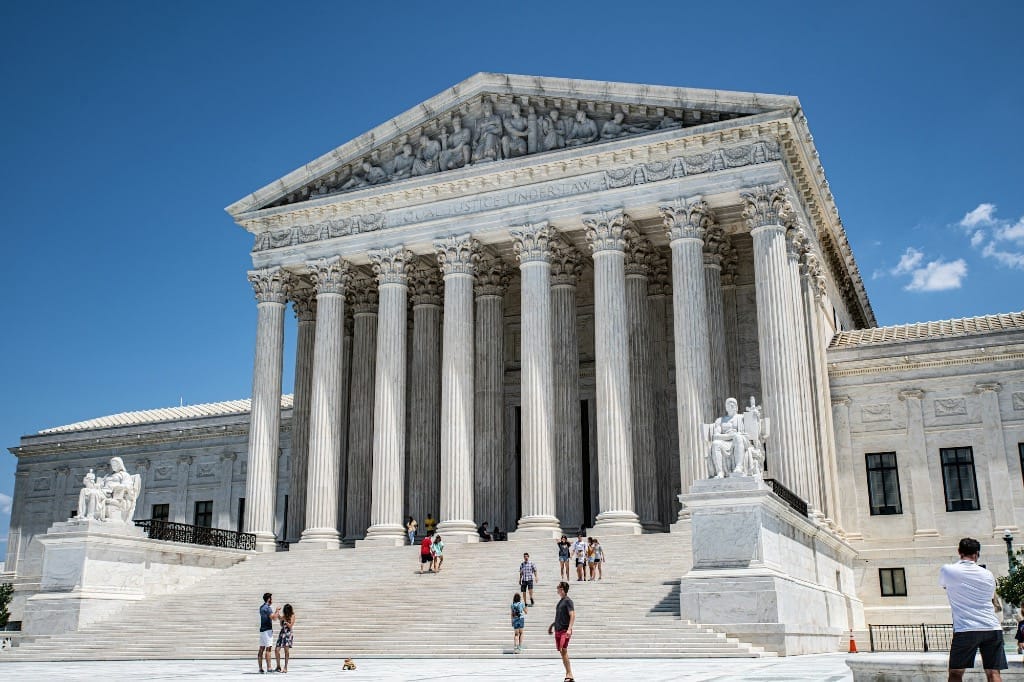
Supreme Court, meet telecom drama
Verizon is back in court, and this time the stakes are bigger than a single penalty check. Along with AT&T, the company is telling the Supreme Court that FCC forfeiture orders are basically binding fines—and that’s a constitutional problem because the carriers say they deserve a jury trial before the government reaches for the wallet.
Why this matters for your stock screen
This isn’t just legal nerd stuff for people who read footnotes for fun. The FCC says fines are one of its most important enforcement tools, especially for rules around privacy, robocalls, and broadcasting. If the court clips that authority, the agency may have to lean harder on harsher, messier remedies like license suspensions or revocations. Translation: the rulebook could get a lot harder to enforce.
Verizon’s not flying solo
AT&T won at the Fifth Circuit, Verizon lost at the Second Circuit, and T-Mobile is also backing the carriers after losing a separate challenge. So this is shaping up less like one company’s grievance and more like a full-on telecom industry line dance aimed at the FCC’s playbook.
The countdown is on
The justices are set to hear oral arguments on April 21, which means this story is still very much in the “legal brinkmanship” phase. For investors, the near-term move isn’t about revenue or handset sales—it’s about whether a key regulator can keep using fines as a stick. Big picture: if Verizon helps knock down the FCC’s fine power, the ripple effects could be felt well beyond telecom.