
Not exactly a calm Tuesday
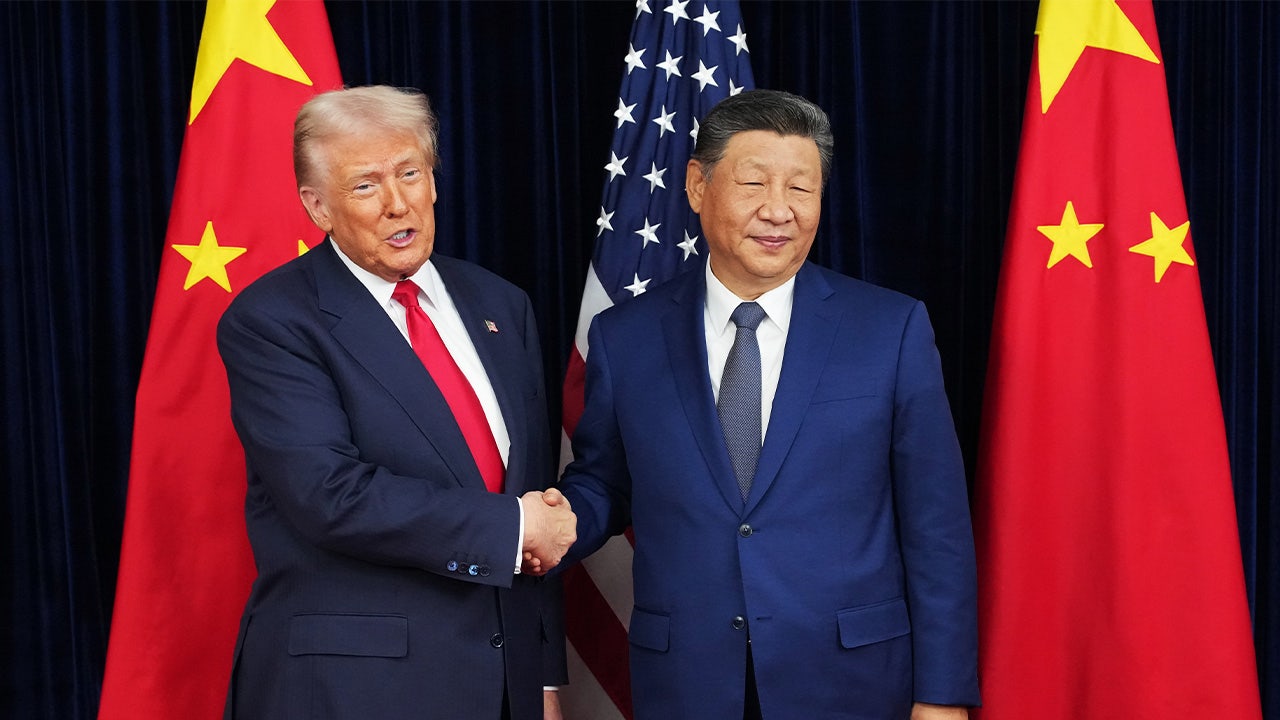
A former Treasury secretary is basically saying the U.S. and China are stuck in the world’s most expensive situationship: deeply linked on trade, but constantly glaring at each other over security. His line about “mutually assured economic disruption” is the kind of phrase that sounds dramatic until you remember it could actually mean headaches for supply chains, ports, commodities, and risk assets.
Why Iran is the spark here
The remarks come as China criticizes the United States’ naval blockade on Iranian ports, calling it irresponsible and dangerous. That’s not just diplomatic theater — it’s the sort of geopolitical crossfire that can ripple into shipping lanes, energy prices, and broader market sentiment faster than you can refresh your watchlist.
The investor read-through
If tension keeps climbing, markets usually start pricing in a few familiar boogeymen:
- higher oil volatility if the Middle East gets shakier
- more supply-chain friction if shipping routes get messier
- fresh pressure on companies exposed to China, global trade, or imported inputs
And when the U.S. and China are both trading barbs, investors tend to get the same message in different fonts: brace for uncertainty.
Big picture
This isn’t a company-specific earnings miss or a shiny new product launch. It’s the kind of macro/geopolitical backdrop that can quietly become everybody’s problem — especially if it starts bleeding into energy, transport, and cross-border trade.