Not your average Thursday press conference
Gen. Dan Caine basically told the shipping world: don’t test this. The U.S. blockade, he said, applies to all ships heading into or out of Iranian ports and coastline — but not the Strait of Hormuz itself. That distinction matters, because the Hormuz headlines are where markets usually start sweating through their collars.
Why investors are paying attention
When the military starts drawing clean lines on a map, traders immediately start gaming out messy second-order effects. Even if the Strait of Hormuz isn’t formally blocked, pressure around Iranian ports can still stir up:
- oil volatility
- freight and insurance costs
- defense-stock chatter
- a fresh round of geopolitical risk-off trading
The headline risk is bigger than the headline
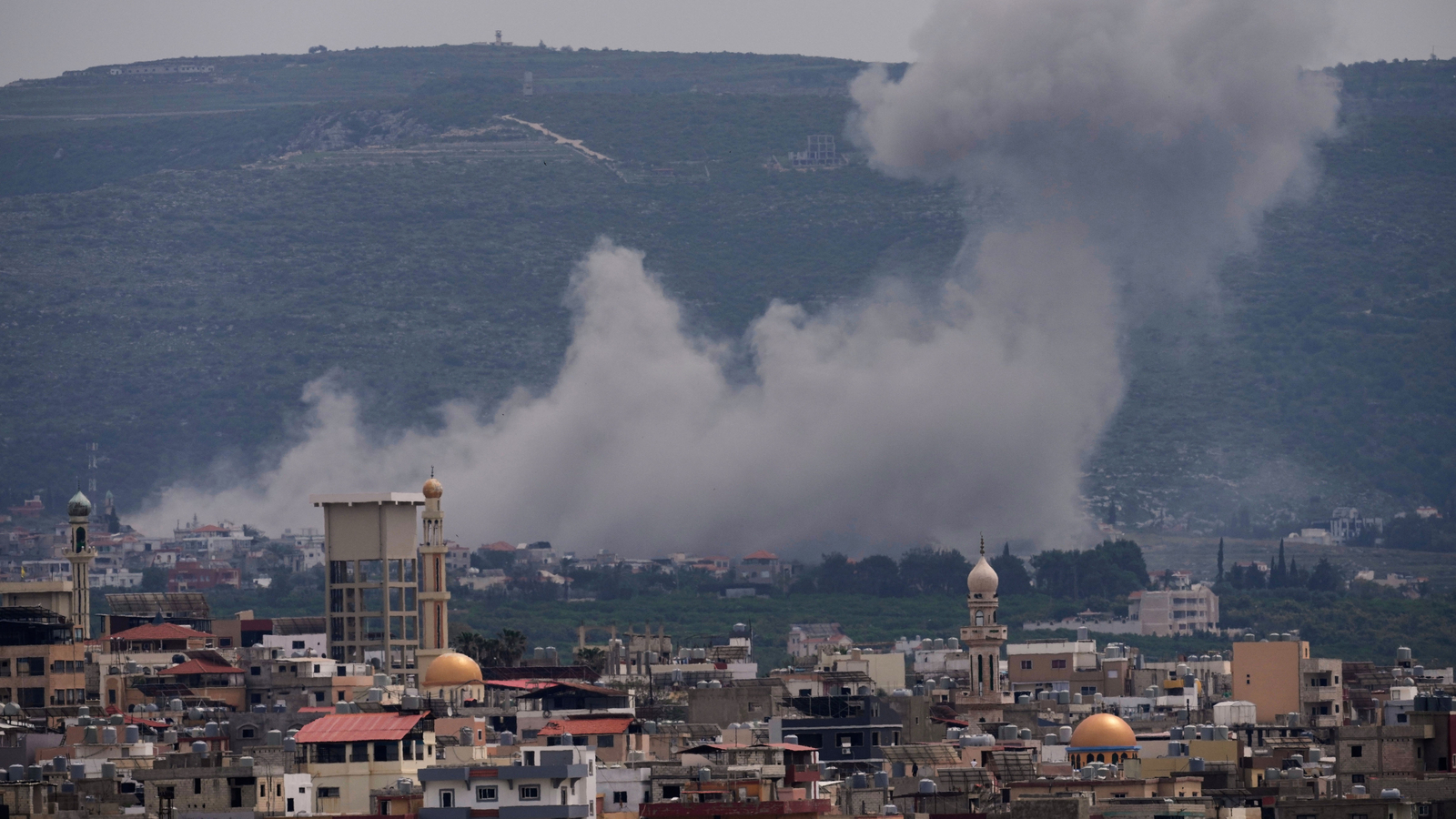
The article also frames this in the middle of a broader ceasefire story involving Israel and Lebanon, which adds to the sense that the region is in full-on tension-management mode. For investors, that usually means one thing: anything tied to energy, shipping, or global supply chains can get jumpy before the facts even finish loading.
Big picture: markets hate ambiguity almost as much as they hate surprises, and this news brings both to the party.