 HTZ
HTZ UBER
UBER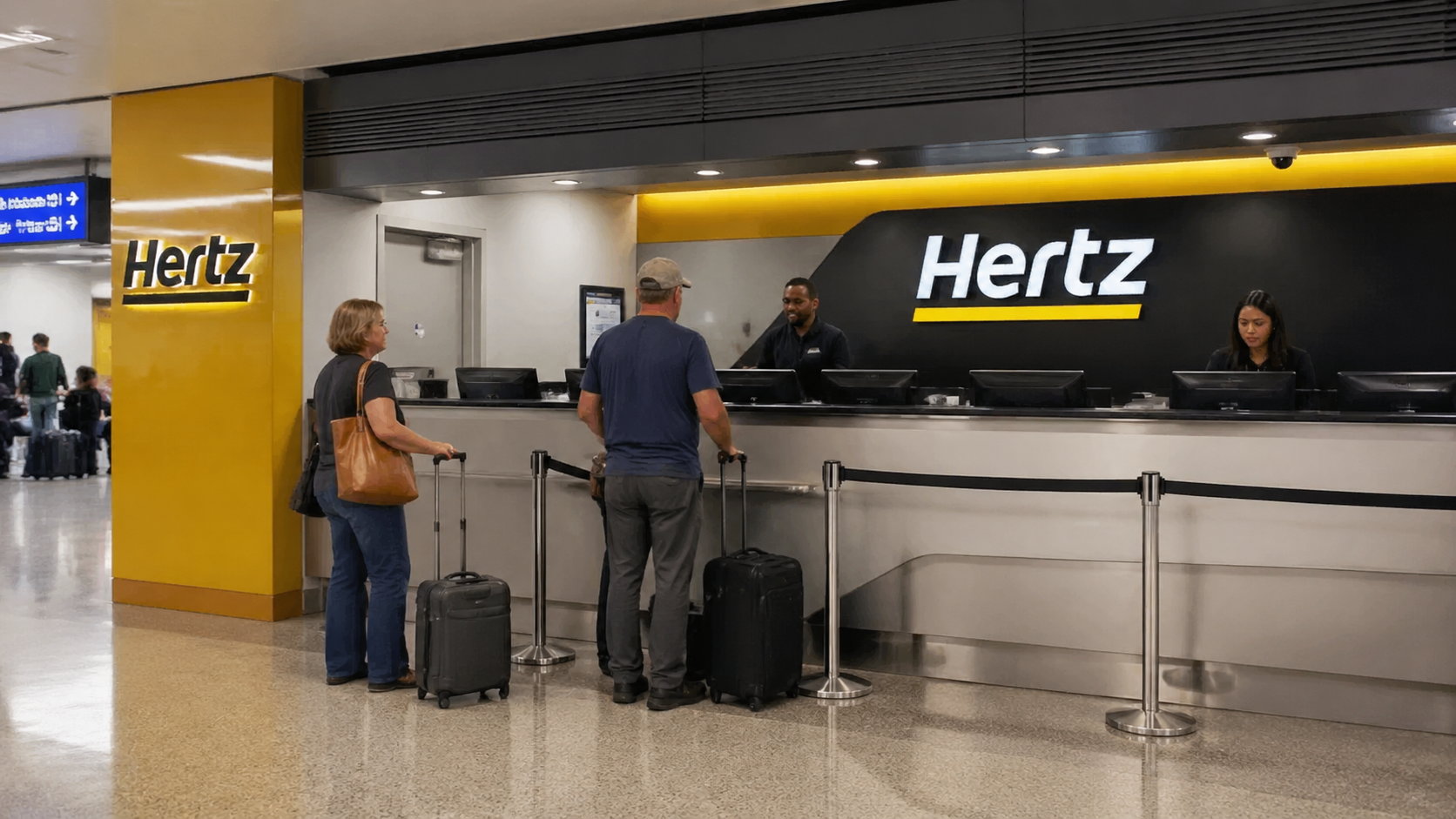
New wheels, same robotaxi dream
Uber isn’t rolling out its own self-driving car factory in a garage somewhere. It’s doing the corporate version of assembling IKEA furniture with a few very important partners. This time, Hertz is stepping in through its subsidiary Oro Mobility to become a primary fleet management partner for Uber’s autonomous robotaxi program.
Why this matters
On the surface, this is just another partnership announcement. Under the hood, though, it’s a reminder that Uber’s robotaxi ambitions are becoming more operational and less sci-fi poster on a dorm wall.
That matters because fleet management is the unglamorous part of the autonomous car stack — the tires, the logistics, the vehicle availability, the stuff that keeps the whole thing from turning into a pretty demo and not much else.
Hertz gets a little glow-up
Hertz is the one catching the immediate stock pop here, with shares hitting a three-month high after the announcement. Investors seem to be betting that being attached to Uber’s autonomous ambitions could turn Hertz from a rental-car name into a meaningful infrastructure player in the robotaxi race.
For Uber holders, the read-through is more subtle:
- the company is still pushing into autonomy without trying to do everything itself
- it’s adding partners that can handle the boring-but-critical execution layer
- the robotaxi story is getting a little more real, one agreement at a time
Big picture
If autonomy is the destination, partnerships like this are the gas station stop along the way. Not flashy, but necessary — and in Uber’s case, potentially very valuable if the robotaxi bet keeps gaining traction.