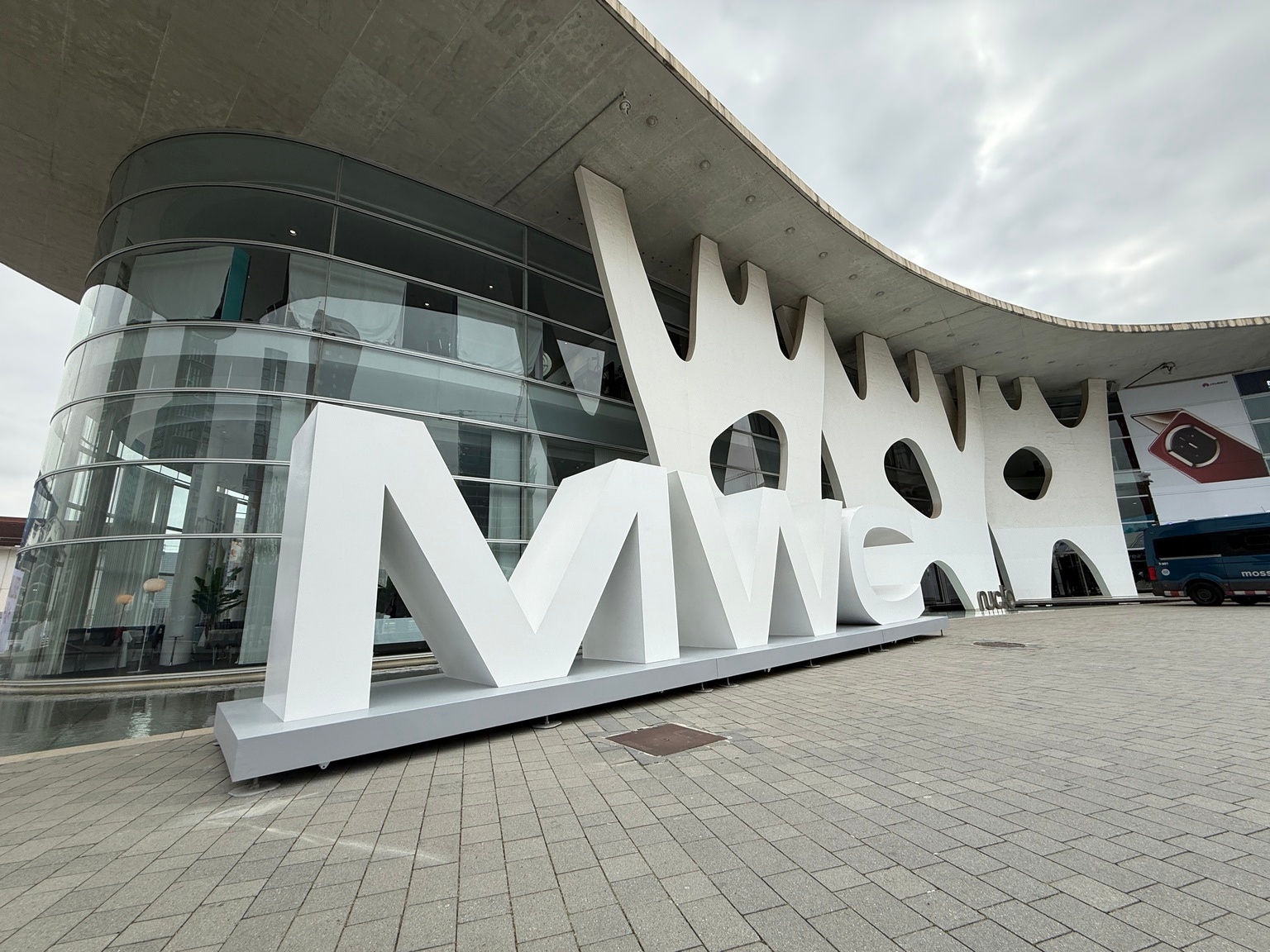
From moonshot to menu item
Non-terrestrial networks used to sound like the kind of thing executives say on stage while a logo animation spins behind them. Cute idea, questionable timing. But at MWC 2026, the tone has clearly shifted: this is now being framed as a commercial product, not a science project.
GSMA Intelligence says that as of December 2025, 118 mobile operators had lined up satellite service partnerships, and 33 of those services were already live. That’s five more live services than last quarter, which doesn’t sound like a hockey-stick moment — because it isn’t. But it does sound like the early part of a real rollout.
Why investors should care
Direct-to-device, or D2D, still looks more like a backup plan than a full-blown replacement for normal mobile broadband. In the near term, think emergency messages, dead-zone coverage, and maybe some premium connectivity features — not everyone streaming cat videos from the middle of nowhere.
Still, the commercial momentum matters because it hints at:
- more carrier-satellite partnerships getting signed
- more spending on spectrum, infrastructure, and integration
- a longer runway for companies trying to make satellite connectivity feel boring, which is usually the secret sauce of great telecom businesses
The vibe shift is the story
The headline here isn’t that satellite phones are suddenly everywhere. It’s that the industry is acting like the market exists — and that’s half the battle. Once telecom operators start treating D2D as a product line instead of a press release, the ecosystem can begin to scale.
Big picture: this is still a small slice of the mobile universe, but the number of live services is creeping higher, and that’s how “future technology” starts sneaking into “actual revenue” territory.