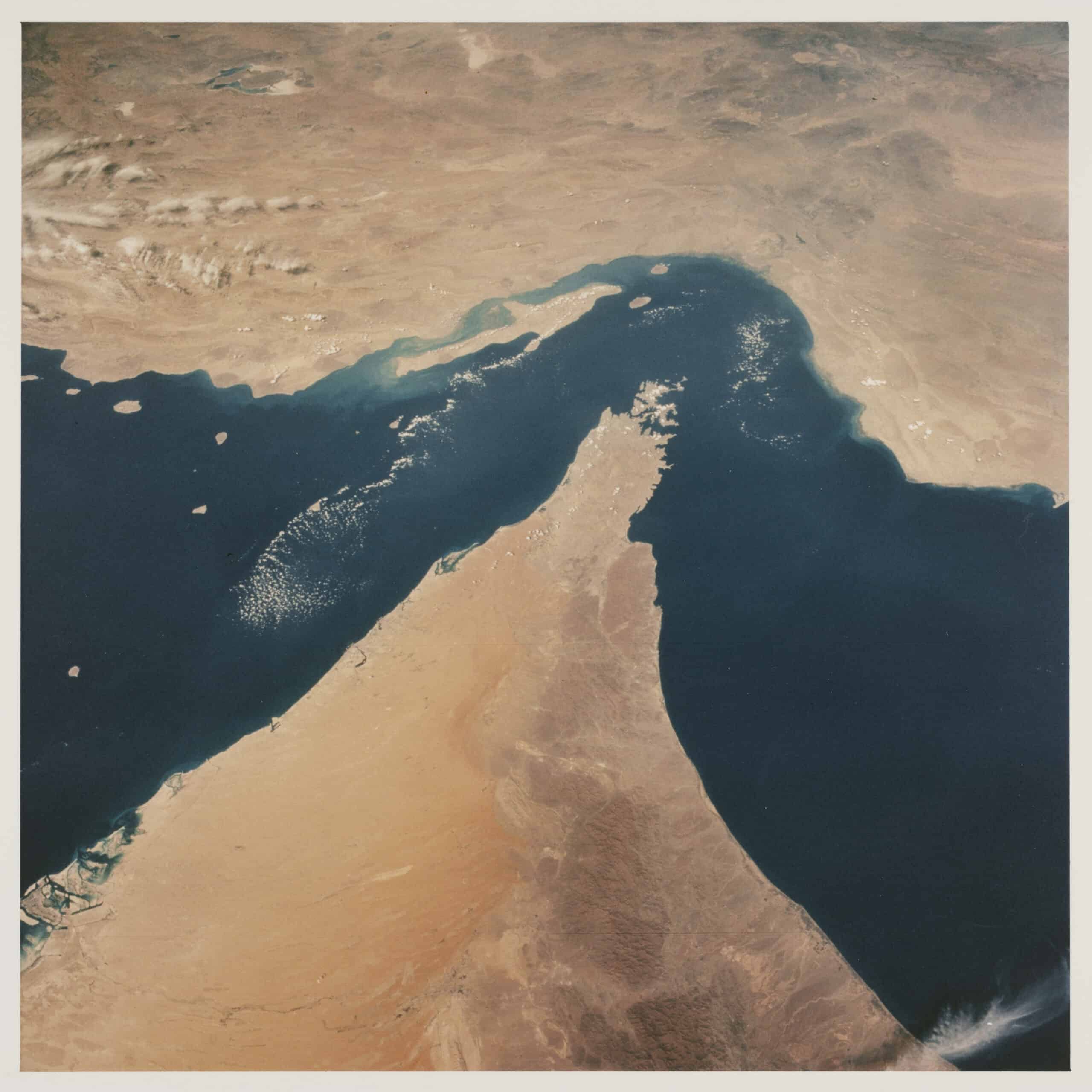
Not your average shipping bottleneck
Maximo Torero, the chief economist at the Food and Agriculture Organization, used a May 25 appearance on Bloomberg Daybreak Europe to basically say: if the Strait of Hormuz stays shut much longer, the fallout could get sticky fast. Not just for oil. For fertilizer. And once fertilizer prices start twitching, the rest of the food chain tends to feel it pretty quickly.
Think of it like a domino line where the first tile is a chokepoint in global shipping and the last tile is your grocery bill pretending to be “seasonal.”
Why this matters for markets
Torero’s warning is about more than headlines and geopolitical drama. Fertilizer is one of those unglamorous inputs that quietly powers crop yields around the world. If supply gets disrupted and prices spike, farmers face higher costs, food producers face margin pressure, and consumers eventually get the bill.
What to watch:
- fertilizer producers and distributors, if supply tightness keeps prices elevated
- packaged food and grocery companies, if input costs start climbing
- agricultural names tied to crop economics, since higher fertilizer costs can reshape planting decisions
The part investors should care about
This is the kind of problem that can show up in earnings calls before it shows up in the cashier lane. Companies may start talking about margin pressure, inventory headaches, or hedging costs if the disruption lasts. And if the market starts thinking “fertilizer shock” instead of “temporary geopolitics,” expect more nervous trading in ag and food names.
Big picture: when shipping lanes get weird, inflation doesn’t need a new headline — it just borrows an old one and makes it expensive.