
 NVDA
NVDA VRT
VRT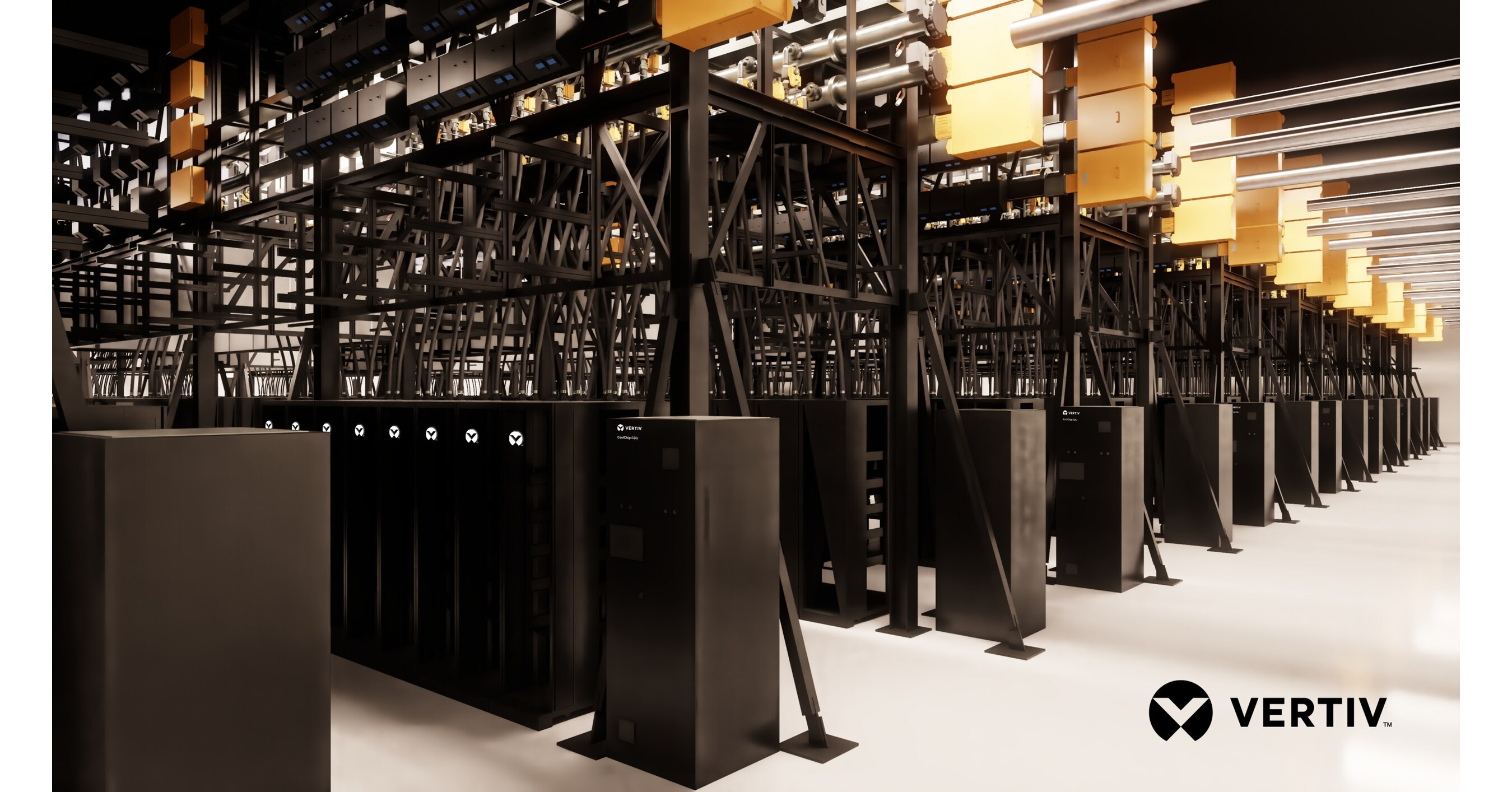
New deal, same AI gold rush
Vertiv just announced progress on a production-grade digital twin capability for its SmartRun system, and the whole thing is being tied into NVIDIA Omniverse DSX Blueprint. Translation: the company is trying to make AI factory infrastructure easier to design, simulate, and deploy before anyone starts pouring concrete or stringing cables.
That matters because the AI boom is no longer just about GPUs getting faster. It’s also about whether the surrounding infrastructure — power, cooling, racks, and all the unglamorous stuff that keeps the lights on — can keep up without turning every new data center into a construction drama.
Why investors should care
Vertiv is basically saying, “What if building AI data centers felt a little less like assembling IKEA furniture after a Red Bull binge?” A digital twin lets customers test layouts and workflows virtually first, which can reduce delays and make deployments more repeatable.
For a company like Vertiv, that’s strategically useful for two reasons:
- It deepens the company’s role in AI infrastructure, not just as hardware but as part of the planning stack.
- It gives the business a more software-flavored story, which Wall Street usually likes when it comes wrapped in AI buzz.
Big picture
This isn’t a revenue print or a profit warning, so don’t treat it like a fire alarm. But it is another breadcrumb showing how the AI trade keeps spreading beyond chipmakers and into the picks-and-shovels crowd. If AI factories are the new gold rush, Vertiv is selling the maps, shovels, and maybe a very fancy helmet.