
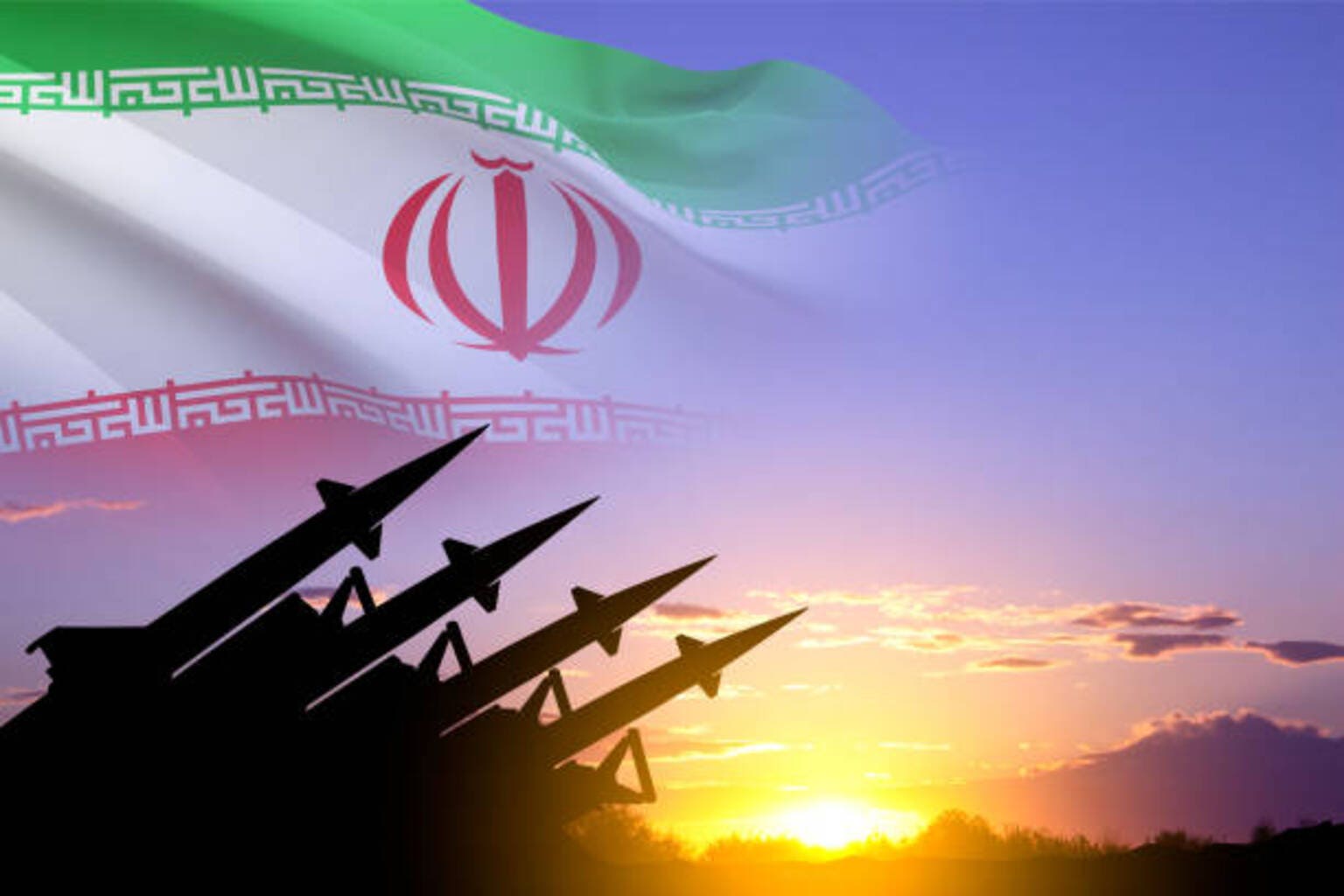
Oil traders, meet your old enemy: geopolitics
The latest flare-up between Israel and Iran is doing what Middle East conflict always does to markets: making oil traders grab the emergency inhaler. The big worry isn't just headlines — it's whether supply routes stay clean enough to keep crude flowing without a panic premium baked into every barrel.
Why investors care
If Brent keeps climbing, the ripple effects are basically a chain reaction in slow motion:
- Energy prices rise, and so do headline inflation readings.
- Central bankers get a little less comfortable cutting rates.
- Consumer spending can get squeezed when gasoline starts acting like a luxury good.
That $100 Brent number is the kind of level that makes everyone from airlines to policymakers sit up straight. It's not a guarantee, but it is the sort of line in the sand markets love to obsess over when the Middle East gets messy.
The annoying part for the Fed
For the Federal Reserve, this is the worst kind of headache: not a clean demand story, but a supply-side shock with geopolitical seasoning. If oil stays elevated long enough, inflation can reheat even if the broader economy is cooling, which is exactly the sort of sticky problem rate-cut hopes hate to see.
Big picture
This is why geopolitics still matters in a world obsessed with AI, chips, and earnings beats. Sometimes the most important market catalyst is still the oldest one on the board: a war map and a barrel of oil.