
 META
META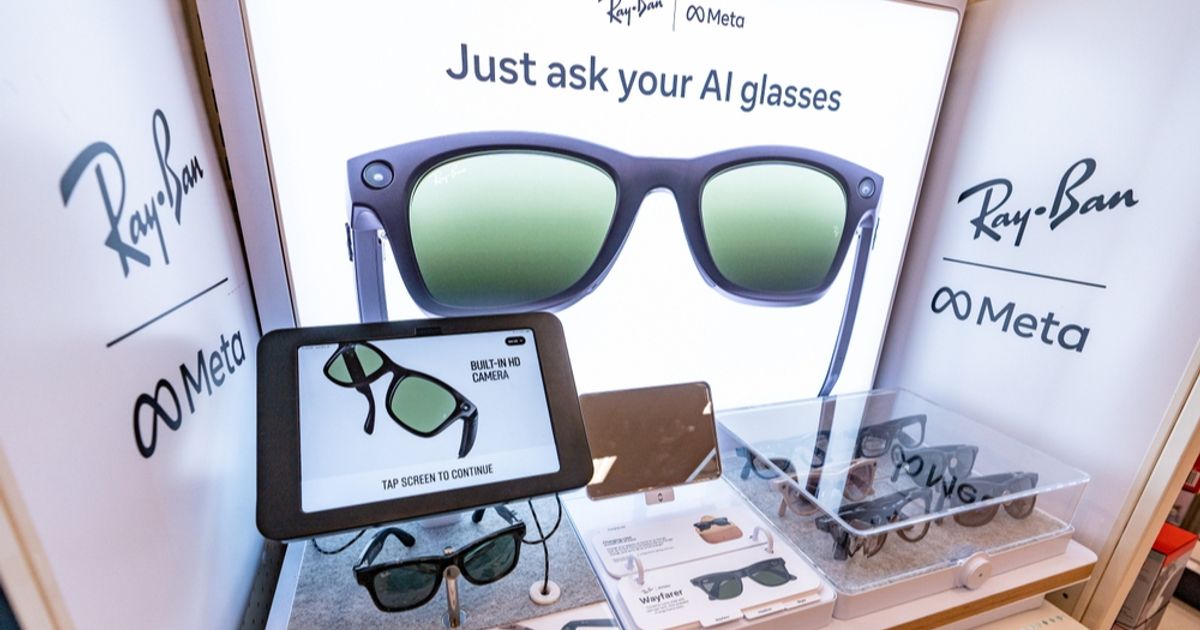
New hardware, same Meta ambition
Jefferies is basically saying Meta’s AI glasses are more than a cool demo for tech bros with strong opinions about eyewear. After testing multiple models, the analysts came away impressed with the camera quality, setup experience, and the fact that the glasses still look like, well, actual glasses.
That matters because the wearables market has a habit of overpromising and then face-planting into the “nice idea, weird execution” ditch. Meta, though, seems to have pulled off something rare: a product that’s practical enough to wear in public and smart enough to hint at a bigger future.
Why investors should care
The argument here is not that glasses will replace your phone tomorrow. It’s that they could slowly evolve into a new computing interface — the kind of platform shift investors love to squint at for years before it clicks.
A few things make this interesting:
- Meta is apparently the only major player shipping AI glasses at scale right now.
- That gives the company a first-mover advantage, at least for now.
- If consumer adoption broadens, the hardware side of Meta’s story gets a lot more interesting than just ads and AI capex.
The bigger bet underneath
Meta has already been throwing serious money at AI infrastructure, chips, and data centers. So the glasses story fits neatly into the company’s bigger “we are not just an app company” identity crisis.
If this category takes off, Meta could own a piece of the next device layer before rivals even get their frames straight. And if it doesn’t? Well, at least the company is still making a very expensive, very fashionable bet on the future.
Big picture: Meta’s glasses may look like a consumer gadget today, but Jefferies is basically betting they could become the next little doorway into a much bigger hardware business.