
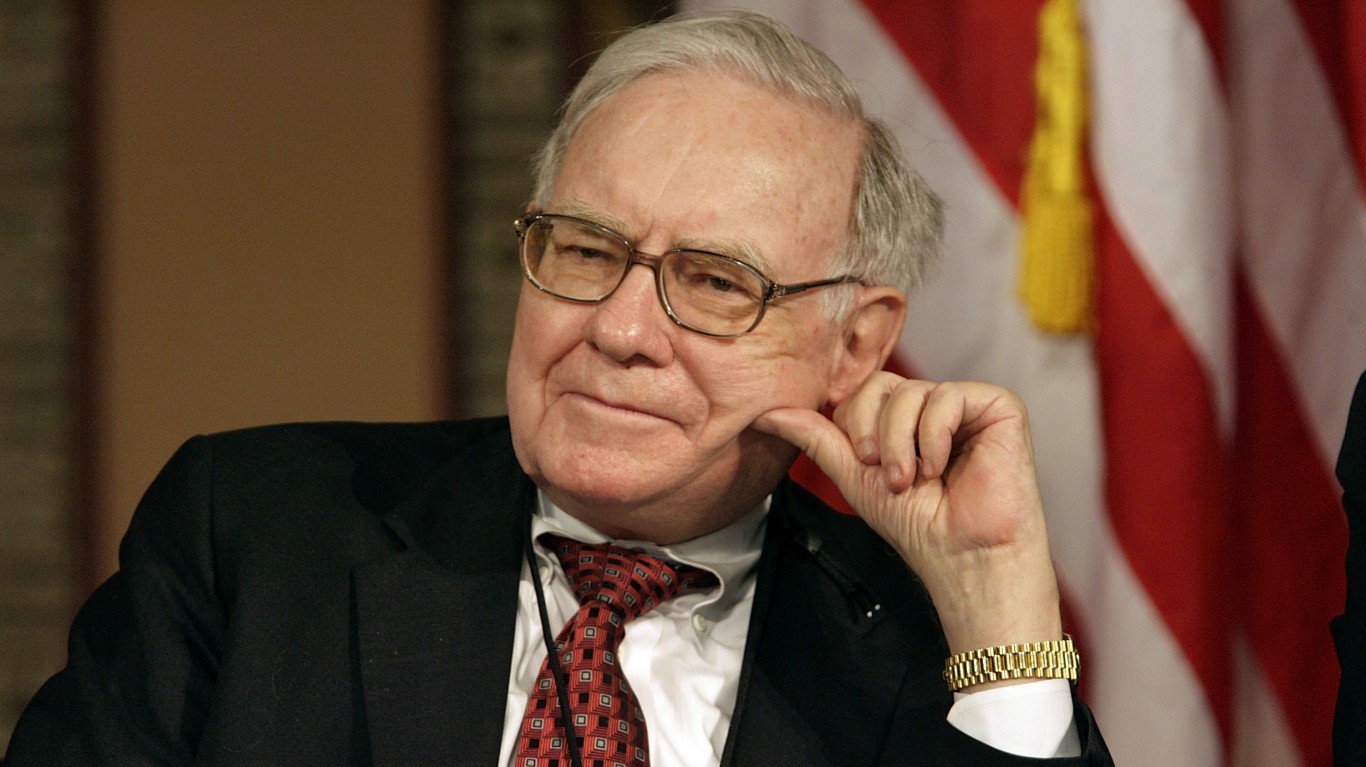
A tax twist fit for a billionaire
Warren Buffett’s giant paper gains have been built the old-fashioned way: buy good companies, wait forever, and let compounding do its thing. Under Trump’s capital gains plan, that patience could get a lot more rewarding — but the “Buffett pays nothing” headline is more clickbait than math.
Why investors should care
The real story is the policy lever, not the Oracle of Omaha cameo. If capital gains taxes get lighter, it changes the after-tax math for anyone sitting on big winners — from Berkshire-sized portfolios to your one stock that somehow turned into a ten-bagger.
- Big unrealized gains become even more valuable if the eventual tax bite shrinks
- Long-term holders would have more incentive to keep compounding instead of cashing out
- High earners and wealthy investors would likely see the biggest dollar savings
The Buffett effect, minus the fairy tale
Buffett has spent decades turning stakes in names like Coca-Cola and American Express into mountain-sized unrealized gains. A friendlier capital gains regime could slash his eventual bill, sure. But “zero tax” would take a lot more than a campaign promise and a lucky spreadsheet.
Big picture: when tax policy changes, it doesn’t just tweak returns at the edges — it can rewrite the playbook for how wealthy investors decide when, or whether, to sell.