 MDT
New Deal 2.0
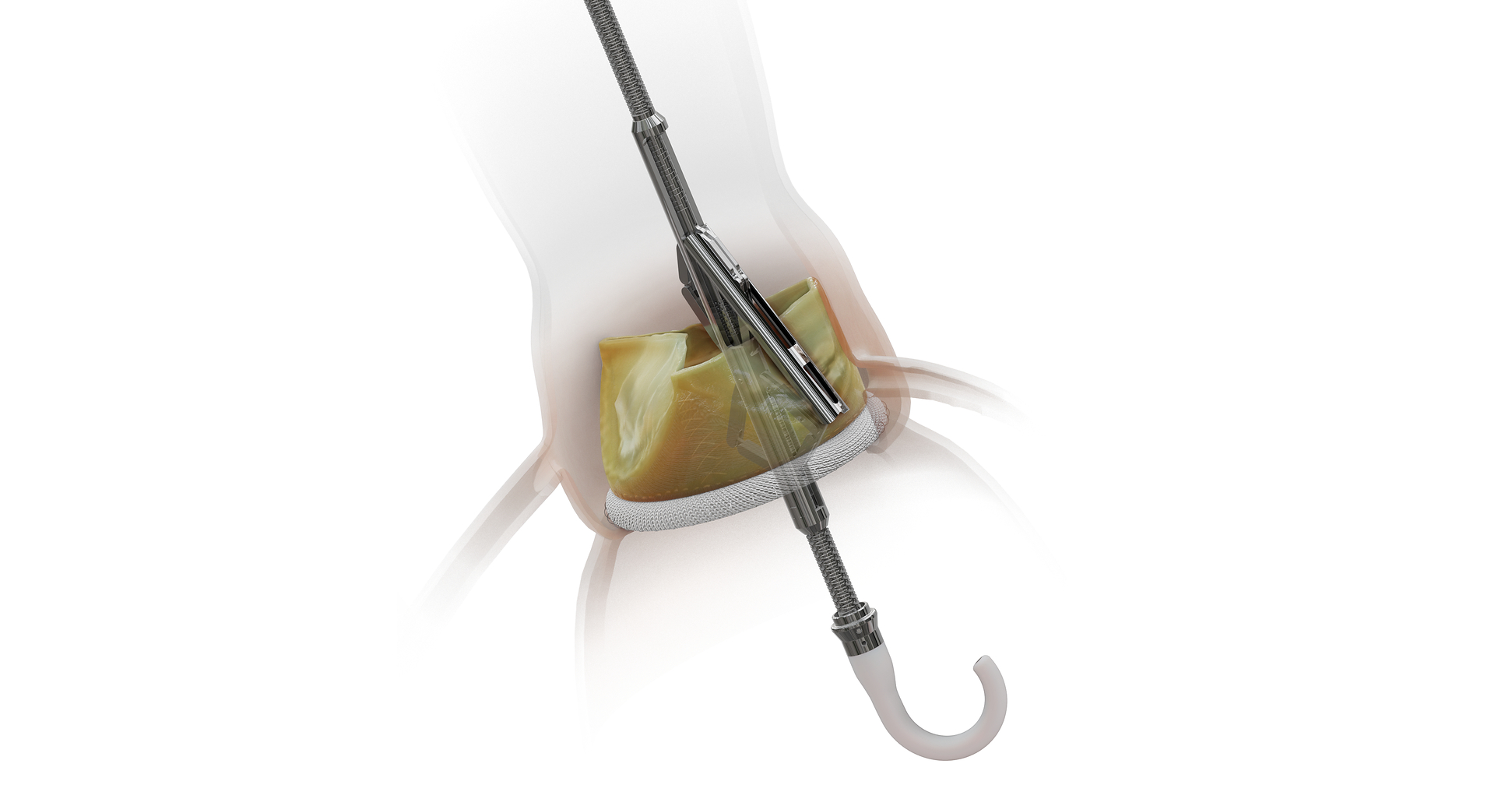
Medtronic is making a strategic investment in Pi-Cardia, a move aimed at accelerating innovation in complex TAVR — that’s transcatheter aortic valve replacement, for the uninitiated and politely over-caffeinated.
The setup is pretty classic medtech chess: instead of building every piece in-house, Medtronic is backing a specialist that can help sharpen its edge in a high-value cardiovascular market. If you’re an investor, the big question is whether this kind of partnership turns into a sturdier growth engine or just another nice-sounding corporate handshake.
Why this matters
TAVR is one of those procedure categories where product improvements can matter a lot. Better tools, smoother procedures, fewer complications — that’s the kind of stuff hospitals care about and competitors sweat over.
For Medtronic, this signals two things:
- It wants to keep its heart-valve business relevant in a crowded fight
- It’s willing to use capital strategically to speed up innovation rather than wait for slow-and-steady internal R&D alone
Big picture
This doesn’t scream instant revenue fireworks, but it does hint that Medtronic is still actively defending and upgrading one of its important medtech battlegrounds. Sometimes the most important growth move is simply making sure your rival doesn’t get the better mousetrap.