 GOOG
The new AI bottleneck: electricity
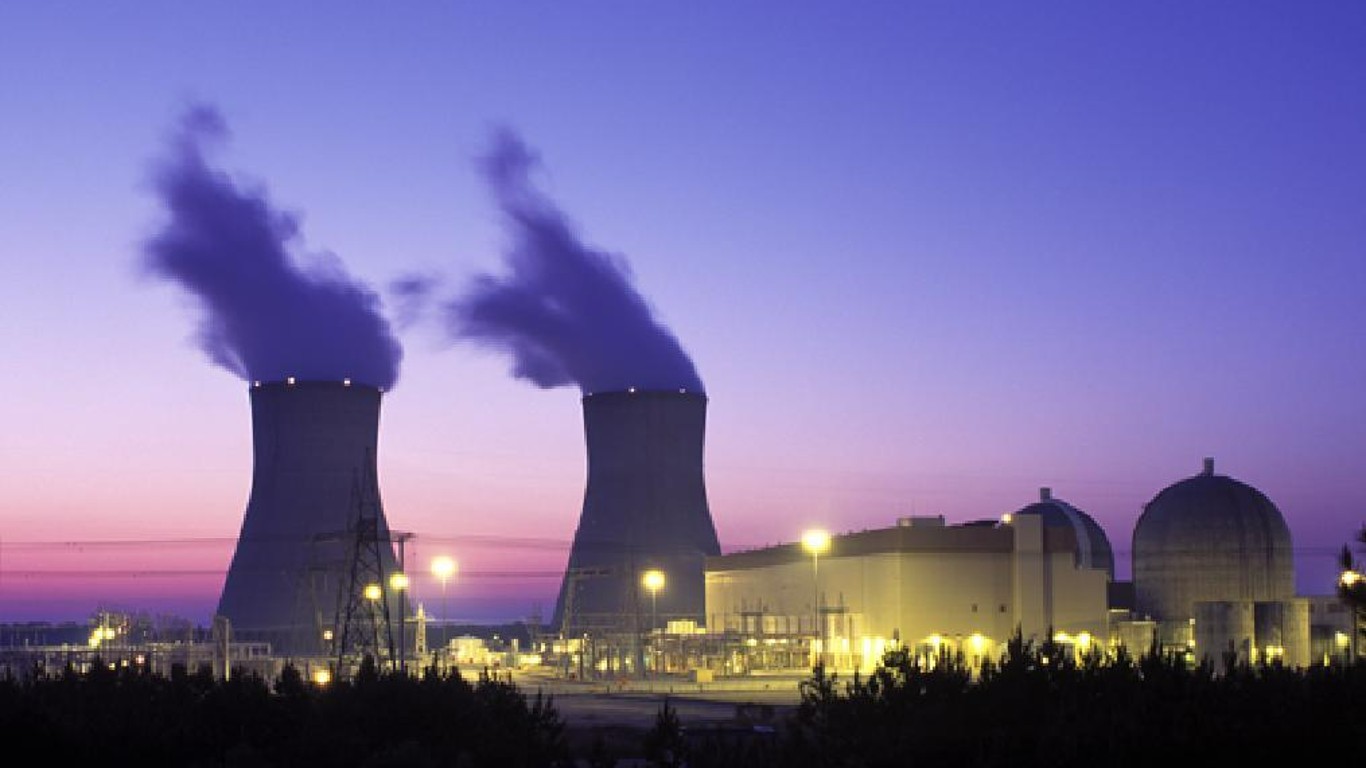
Google is treating power like the scarce resource it actually is. Instead of just buying more chips and building more data centers, it’s locking in half of a nuclear plant’s output through 2049, which is the corporate version of buying the lifetime Costco membership for your electricity.
Why this matters
AI is hungry, and not in the cute little “my laptop gets warm” way. Big models, giant training runs, and sprawling data centers all need huge amounts of round-the-clock juice. Nuclear power is attractive because it’s steady, carbon-light, and not nearly as moody as solar or wind when the sun decides to clock out.
- A long contract like this helps Google lock in predictable costs.
- It also reduces exposure to power-price spikes, which can quietly wreck margins.
- And it signals Google is planning for AI growth that’s not a one-quarter fad.
The moat gets less flashy, more boring — and that’s the point
The AI race used to be about who had the best model. Now it’s also about who can keep the lights on without lighting the cash on fire. If Google can secure cheaper, steadier electricity while rivals are still juggling grid constraints and soaring demand, that could become a very real advantage.
Big picture: the smartest AI play might not be the flashiest chatbot — it might be the company that can afford to run the servers all night.