Why this feels like déjà vu
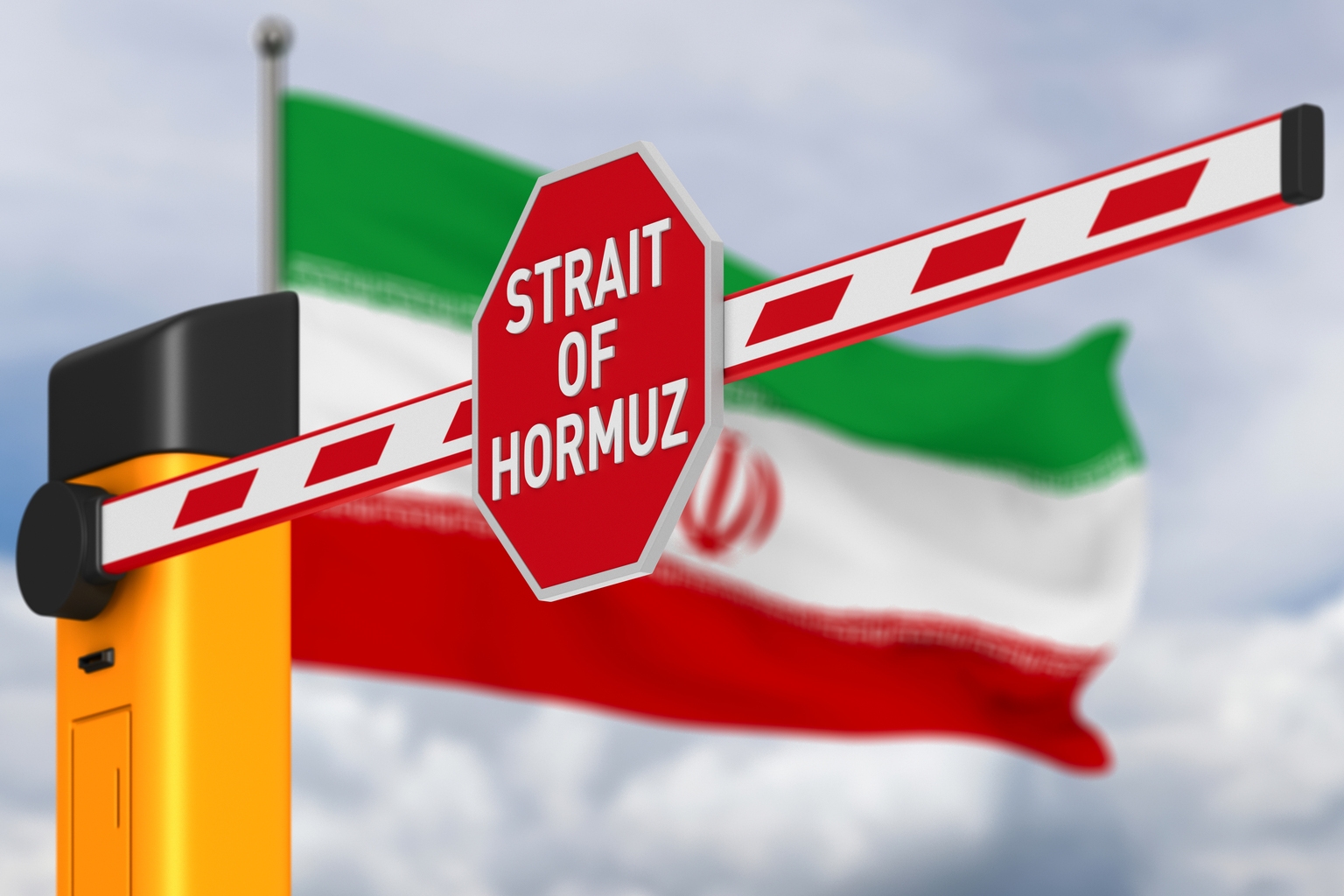
The article argues that investors may be staring down a modern version of the 1973 OPEC shock: a nasty geopolitical flare-up that's squeezing energy and commodity markets at the worst possible time. When military infrastructure and energy facilities become easier targets, supply doesn't just get tighter — it gets jumpier.
The new vulnerability premium
Drones and missiles have changed the game. You don't need a giant conventional war to rattle oil, gas, and shipping markets anymore; a smaller set of attacks or threats can still create a big, persistent risk premium. That can keep prices elevated even if the headlines cool off for a day or two.
What investors should care about
Higher energy costs can ripple everywhere:
- oil and gas producers may get a tailwind from higher prices
- airlines, transport, chemicals, and industrials can feel the squeeze
- inflation could stay stickier if fuel costs keep climbing
- central banks may get less room to ease policy if commodity prices stay hot
Big picture: this is the kind of macro headline that can turn “temporary volatility” into a real market regime shift if the supply risk keeps building.