 CAT
From pilot project to actual rollout
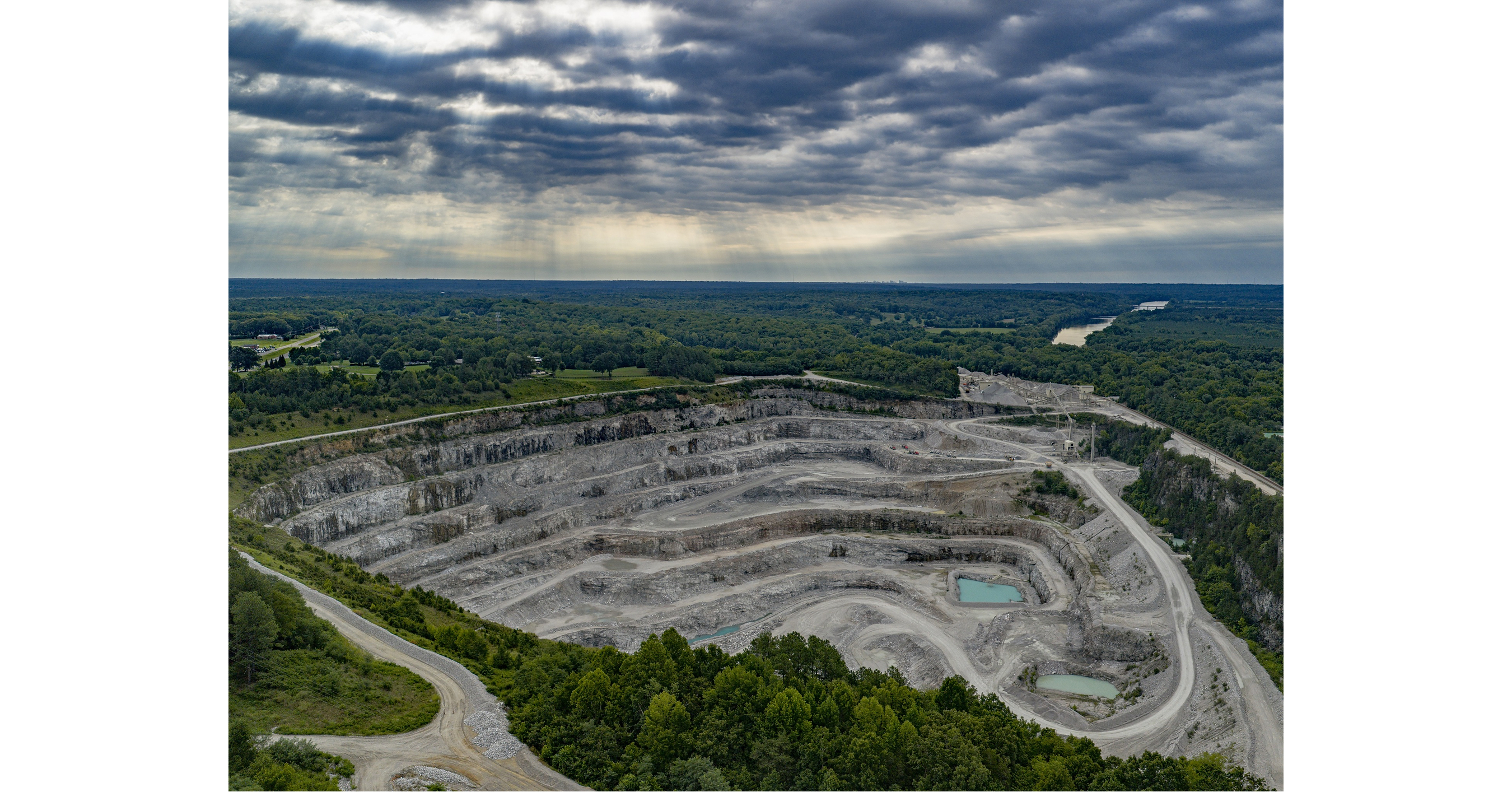
Caterpillar and Luck Stone are taking their autonomous haulage experiment out of the lab and into the quarry. After hauling more than 3.5 million tons over an 18-month pilot, the companies are now expanding the setup to two additional Luck Stone sites.
Why this matters
This isn’t just “cool robots do cool robot things.” It’s the kind of deployment that can make customers stickier, operations smoother, and accidents less likely. In other words, exactly the sort of real-world use case that gives industrial automation a better sales pitch than a glossy demo video ever could.
The investor angle
For Cat, the win here is less about one quarry and more about proof. If autonomous haulage can handle a heavy-duty, dirt-covered, very expensive version of a stress test, it helps reinforce the idea that Caterpillar’s automation tools are becoming part of the operating system for mining customers.
And if you’re looking for the bigger picture, this is another reminder that industrial tech adoption usually creeps in through the side door: first one pilot, then a second site, then suddenly the “nice-to-have” feature is a standard line item.
Big picture: Caterpillar is quietly turning autonomy into a real business lever, not just a buzzword with wheels.