 LCID
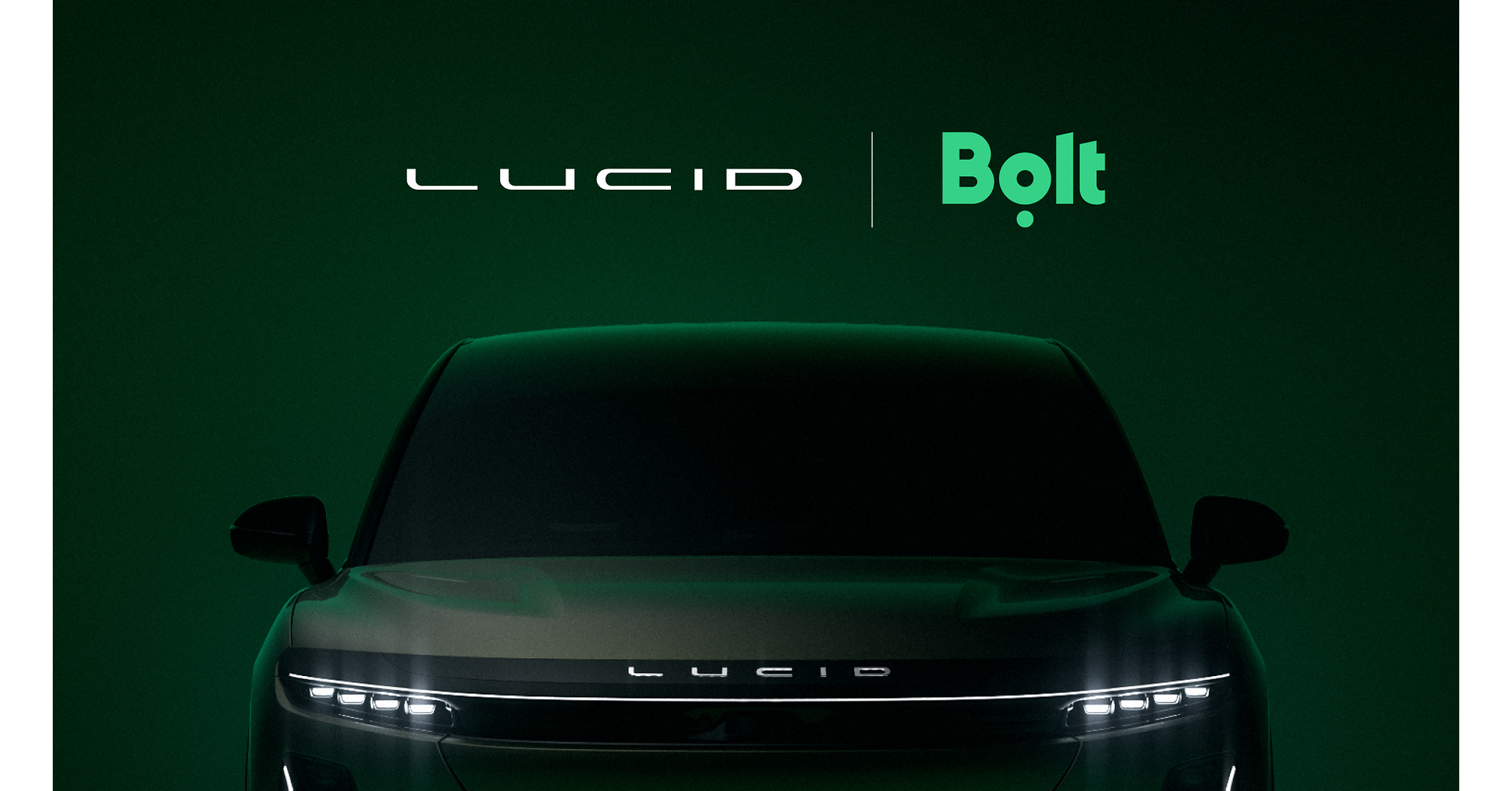
Lucid just found a bigger stage
Lucid isn’t content being the fancy EV brand with sleek sedans and a lot of ambition. Now it’s linking up with Bolt to develop and deploy autonomous mobility at scale across Europe, with plans for at least 25,000 autonomous Lucid vehicles in major cities. That’s not a cute pilot program. That’s a “we’d like the whole continent, please” kind of number.
Why investors should care
The wrinkle here is the NVIDIA Hyperion angle. When you hear Nvidia’s name attached, it usually means this isn’t just a marketing deck and a PowerPoint full of arrows. It suggests a more serious autonomous stack and a potentially broader tech ecosystem around Lucid’s vehicles.
For Lucid shareholders, this matters because the company has been fighting the classic EV fight: prove demand, prove scale, prove you’re not just burning cash while everyone claps politely. A meaningful autonomous partnership gives the bull case a fresh subplot — one that could expand Lucid’s addressable market beyond selling cars one by one.
The big question
The obvious catch: turning a headline-sized partnership into real deployed vehicles is where the rubber meets the road — literally. Europe’s regulatory maze, infrastructure demands, and the not-so-small matter of making autonomous driving actually work in messy real life could slow the whole thing down.
Still, the announcement gives Lucid something investors love almost as much as revenue: a story with scale. And in a market that rewards optionality like it’s contraband, that can be enough to move the needle.
Big picture: Lucid is no longer just talking about building cars. It’s pitching itself as part of the autonomous mobility future, and that’s a much juicier narrative.