 LMT
LMT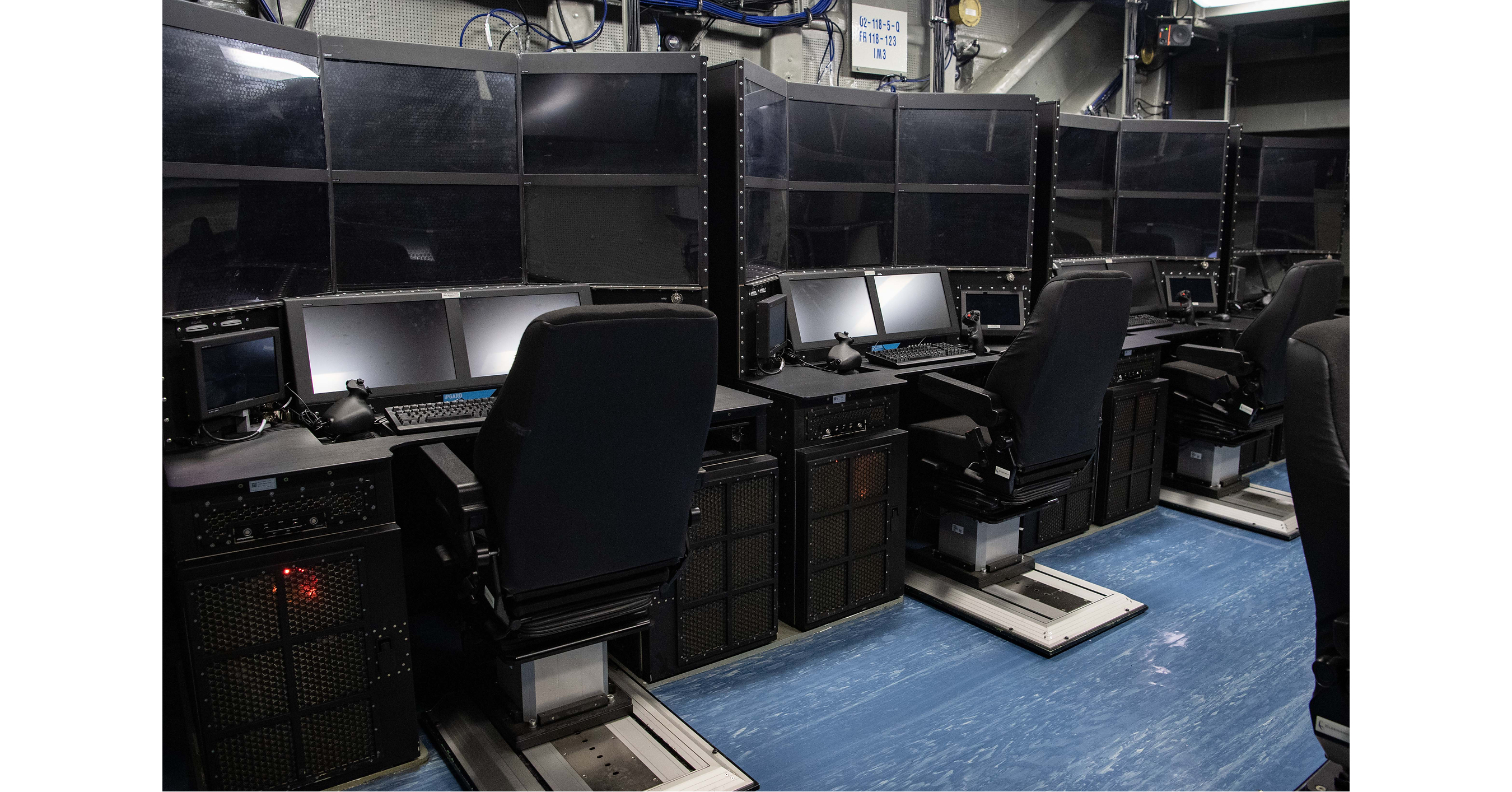
A second cockpit for a robot jet
The U.S. Navy just gave its unmanned-air-warfare playbook a bigger keyboard. It stood up a second operational MD-5C Ground Control Station to help run the MQ-25A Stingray, and the brains behind it is Lockheed Martin Skunk Works' MDCX autonomy platform.
Why this matters to Lockheed investors
This is not a blockbuster revenue headline by itself, but it does matter. Defense contracts have a funny way of starting as a small tech demo and then turning into the kind of sticky, long-tail program that keeps showing up in future awards, upgrades, and follow-on work.
For Lockheed, this is another reminder that the company isn't just a giant metal-bending machine. It also sells the digital glue that lets unmanned systems actually do their thing without humans holding every joystick.
Bigger picture
The Navy says it doubled its capacity over five months, which tells you this is moving from experimental to operational. And in defense, operational is where the money usually gets more interesting.
- More capacity for MQ-25 ops
- More credibility for Lockheed's autonomy stack
- More evidence that unmanned systems are becoming a real program, not a PowerPoint hobby
Big picture: if you're watching Lockheed, this is another small but real breadcrumb that its autonomous systems business is getting embedded in the next wave of defense spending.