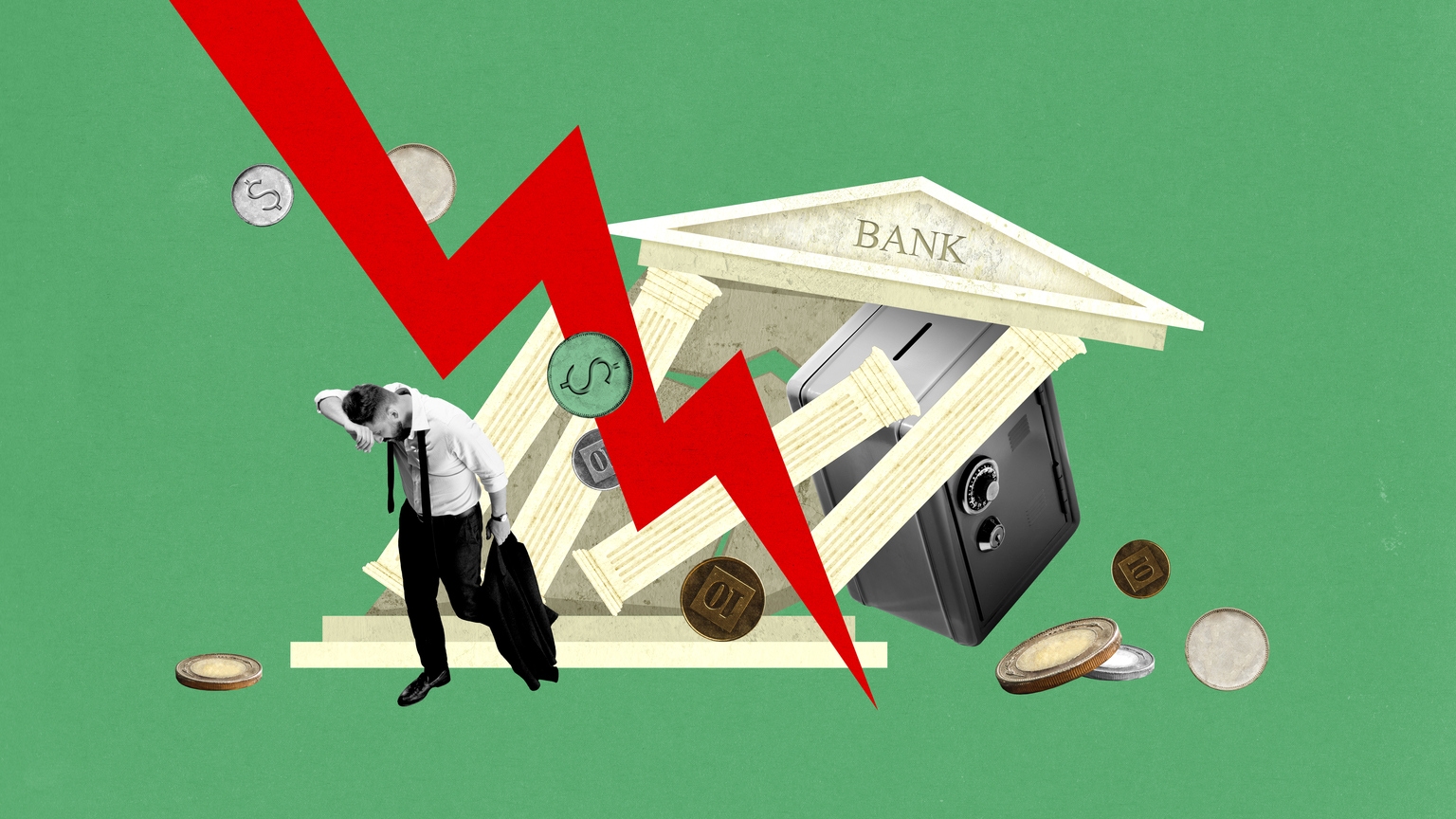
The market’s weird little split-screen
On the surface, U.S. stocks have been stubbornly resilient in Q3 2026. Underneath that glossy tape, though, the market is looking more top-heavy than a Jenga tower in a windstorm: the article says 450 S&P 500 constituents are still down at least 20% from their highs. Translation: a handful of giants are doing a lot of the heavy lifting while a lot of the rest of the market is quietly having a bad year.
Enter the bond vigilantes
The real headline here is the return of the bond vigilante energy — the idea that investors in government debt can effectively throw sand in the gears by demanding higher yields. Surging Treasury yields mean borrowing costs can creep up across the economy, and that usually makes life less cozy for companies that rely on cheap money, long-duration growth stories, or both.
Why investors should care
Add record-high diesel prices to the mix and you’ve got a pretty classic inflation pressure cooker. That can squeeze margins, raise shipping and input costs, and make it harder for the market to keep pretending everything is powered by vibes alone.
- Higher yields can compress stock valuations.
- Energy and transportation costs can ripple through earnings.
- A narrow market rally can look great... until it doesn’t.
Big picture
This isn’t a single-stock story; it’s a reminder that macro can still be the rude guest who shows up late and ruins the party. If rates keep climbing and costs stay sticky, the “resilient” market may start feeling a lot less bulletproof.